China architecture

Travel to China 2026: A Complete Guide to Planning an Authentic Experience

Why 2026 is the perfect year to visit China:

2026 looks set to be an ideal year for a trip to China.

Main reasons:

  • Growing openness to international tourism
  • New infrastructure and internal connections
  • Global interest in authentic cultural experiences
  • Less mass tourism than other Asian destinations

Those seeking a cultural, natural, and transformative journey will find China one of the most surprising destinations of 2026.

Here's a possible itinerary of what to see during a trip to China in 2026.

Beijing and Imperial History:

Beijing is the ideal gateway.
Not to be missed:

  • The Forbidden City
  • The Great Wall of China
  • Traditional hutongs

Spectacular nature in Guangxi:

Between Guilin and Yangshuo lie iconic landscapes:

  • Karst mountains
  • Panoramic rice fields
  • Navigable rivers

Ideal for those looking for a nature trip to China 2026.

Modernity and innovation:

Shanghai and Shenzhen represent the China of the future.

Perfect for those who want a mix of tradition and technology.

How much does a trip to China cost in 2026?

Costs vary based on:

  • Chosen period
  • Hotel level
  • Private or group tour
  • Length of stay

Indicatively:

  • International flight: variable
  • 3–4 star hotels: mid-range
  • Customized tour: greater investment but superior experience

Why choose a personalized tour in 2026?

With China Hidden Paths you can:

  • Create tailor-made itineraries
  • Visit non-tourist places
  • Live private experiences
  • Get assistance in English/Chinese

2026 may be the year you don't "visit" China
You really live it.
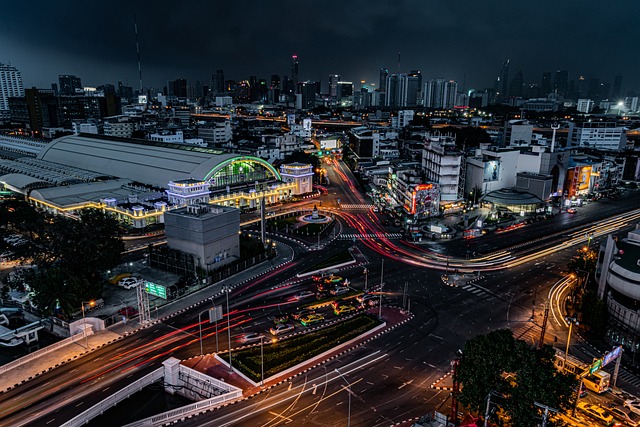
Shanghai Night

Why traveling with a local guide changes everything

You can visit the Forbidden City on your own.
You can walk along the Great Wall of China with an audio guide.

But what are you missing?

The stories that are not written.
The hidden details.
Traditions explained in their true meaning.

With a local guide:

  • You have access to non-touristy places
  • Live private experiences
  • You really understand the culture

China Hidden Paths was born for this.
To transform a trip into an indelible memory.

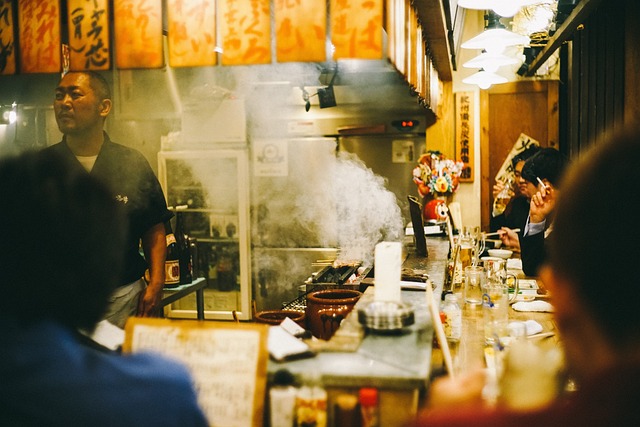
Chinese food

The Real Taste of China: Beyond Rice and Spring Rolls

When we talk about Chinese cuisine abroad, we often think of adapted dishes.

But real Chinese cuisine is regional.
Deeply connected to the territory.

In Sichuan, near Chengdu, the food is spicy and aromatic.

In the south, in the Guangxi countryside, the flavors are more delicate and fresh.

With China Hidden Paths you can:

  • Visit local markets at dawn
  • Learn to make handmade ravioli
  • Discovering ingredients unknown in the West
  • Cooking with local families

Food is not just nourishment.
It's identity.
It's history.
It's family.

And every dish tells a story.

Tongli

Water Cities: China's Secret Venice

Many visit Suzhou for its classical gardens.

But few explore the ancient water cities that surround it.

Silent channels.
Wooden boats.
Red lanterns reflecting on the water at sunset.

One of the most fascinating is Tongli.

Here time flows like the water of the canals.
Grandmothers still wash vegetables along the river.
Craftsmen carve wood in front of their workshops.

With China Hidden Paths you can:

  • Sailing at dawn, when the tourists haven't arrived yet
  • Visiting traditional private homes
  • Photographing views that look like paintings

It's not a copy of Venice.
It's a completely different world.
And it's still authentic.

Traditions You Can't Find on Google

Many tourists visit the Forbidden City in Beijing

But few know:

  • Tea rituals in private homes
  • Local ceremonies in rural villages
  • Artisan workshops handed down through generations

With China Hidden Paths you can:

  • Creating your own traditional fan
  • Learn Chinese Calligraphy
  • Discover traditional medicine with local experts

China is a thousand-year-old culture.
And I want to tell you about it from the inside.

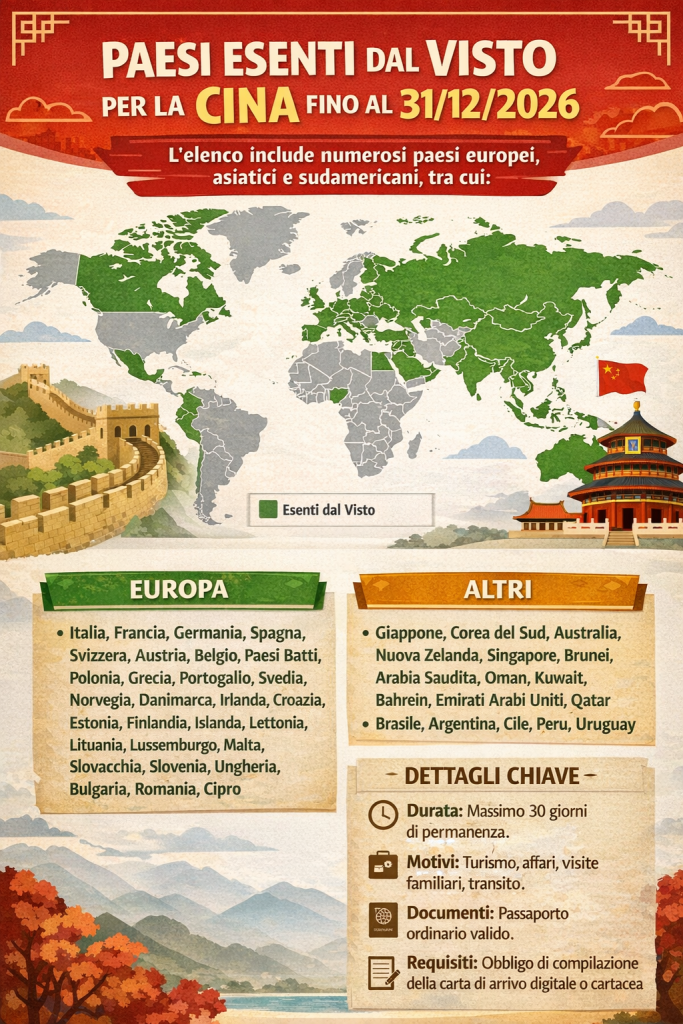
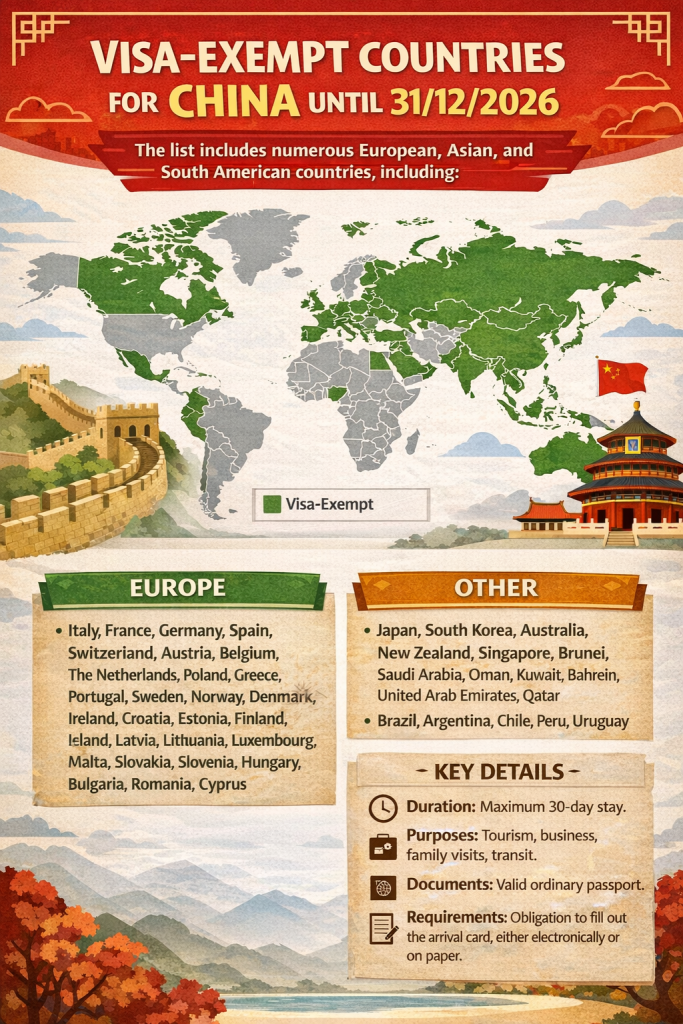
How to enter China without a visa

This news is confirmed, you can enter China without a visa, as long as you respect the following rules:

  • Duration: Maximum 30 days stay.
  • Reasons: Tourism, business, family visits, transit.
  • Documents: Valid ordinary passport.
  • Requirements: Mandatory completion of the digital or paper arrival card.

Because the China you know is not the real one

When you think of China, the Great Wall of China or the futuristic skyline of Shanghai immediately come to mind.

But the real China lives elsewhere.

He lives in mountain villages where time seems to stand still.
At local markets where grandmothers sell handmade ravioli.
In the small hidden temples that you won't find in the tourist guides.

I grew up here.
I know the stories that aren't written in books.

With China Hidden Paths I want to bring you:

  • In the silent alleys of ancient water towns
  • In traditional tea houses
  • In the villages of ethnic minorities
  • In natural paths unknown to mass tourism

It's not just a journey.
It's a meeting…. and it all starts with a conversation.

Come organizzare il visto per la Cina senza stress

Il visto per la Cina è spesso percepito come l’ostacolo principale del viaggio, ma con le informazioni corrette diventa una procedura semplice e prevedibile.

I passaggi fondamentali

  • passaporto valido
  • modulo di richiesta compilato correttamente
  • prenotazioni di volo e hotel
  • eventuale lettera d’invito

Preparare tutto con anticipo evita ritardi o rifiuti.

Gli errori più comuni da evitare

  • documenti incompleti
  • informazioni incoerenti nel modulo
  • richiesta troppo a ridosso della partenza

Un supporto esperto può controllare ogni dettaglio e rendere l’intero procedimento rapido e senza preoccupazioni.

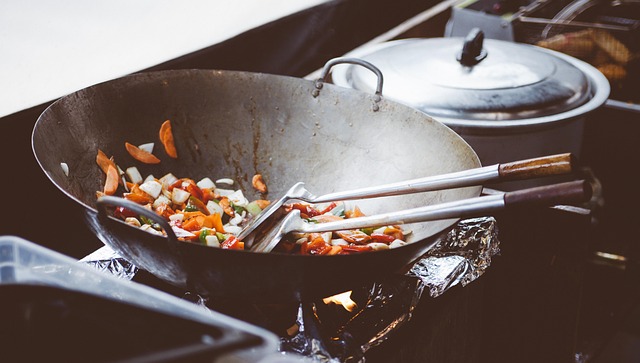
chinese cooking food

What to absolutely eat during a trip to Shanghai

Shanghai cuisine is one of the most memorable experiences of the trip.
It's not just about eating well, but about discover culture, tradition and conviviality through flavours.

The iconic dishes not to be missed

  • steamed dumplings filled with broth (xiaolongbao)
  • fresh hand-rolled noodles
  • braised meat in sweet soy sauce
  • street food in the evening markets

Every dish tells a story centuries of gastronomic history.

Where to eat really well

Tourist restaurants rarely represent true local cuisine.
With a guide it is possible to enter small authentic places, often invisible to foreign visitors but much loved by residents.

This turns every meal into a complete cultural experience like a simple one conversation.