
Why mass tourism doesn't work in China
Tourism in China has grown rapidly in recent decades. Modern infrastructure, fast connections, and efficient services are key. Yet this very efficiency has created a growing distance between visitors and the country.
Mass tourism, as it is structured, struggles to function in a complex context like China's.
Compressed places, reduced experiences
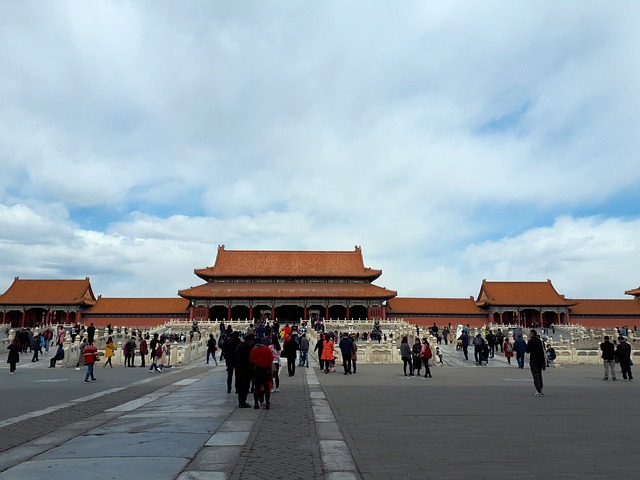
The most popular destinations are often overcrowded. The constant flow of visitors transforms historic and natural sites into mere transit spaces. The result is a compressed experience, where the focus is more on logistics than on the encounter.
In China this effect is amplified by population density and the speed of internal flows.
Culture is not an object
One of the most common mistakes of mass tourism is treating culture as something to be displayed, explained, and quickly consumed. But Chinese culture is profoundly contextual: it lives in everyday gestures, human relationships, and silences.
These elements cannot be compressed into a few hours visit.
Impact on the territories
Mass tourism tends to modify places to adapt them to visitors' needs. This often leads to a loss of authenticity and the standardization of experiences.
Villages become stage sets, traditions become spectacles, daily life becomes a product.
A possible alternative
There's another way to travel in China. A slower, more respectful, and profound way. It means reducing the number of people, choosing secondary routes, and collaborating with local organizations.
It's neither a quick nor a simple solution, but it's the only one that allows you to maintain a balance between travel and the territory.
Conclusion
Mass tourism doesn't work in China because it simplifies a complex reality. A conscious journey, on the other hand, embraces complexity and transforms it into an experience.
Se stai cercando un modo diverso di conoscere la Cina, possiamo iniziare da una conversation.
